
Lolcow LLC v. Zhen Elizabeth Fong-Jones (In Re: KiwiFarms subpoenas)
Attorney
Attorney
Seven people who post on the notorious internet forum Kiwi Farms under names like “Diggus Bickus” and “The Mass Shooter Ron Soye” prevailed in a “right to meme” case. The full hearing transcript is here
A Happy Little Consent Accident
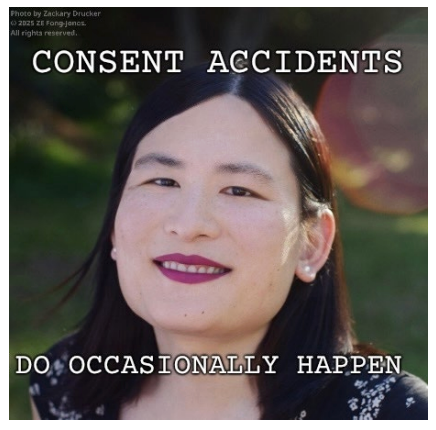
Back in November 2019, Zhen Elizabeth Fong-Jones was a prominent engineer at Google, and she later became field CTO at Honeycomb. She published a Twitter thread responding to an allegation of sexual assault describing it as “a consent accident.” When the trolls at Kiwi Farms found that, they set their meme machine in motion, using her headshot from her bluesky account as the basis for the memes.
Fong-Jones responded by trying to use copyright law to silence the meme blizzard. She registered the copyright to her headshot and thought that would mean she could control the use of the headshot. First she used DMCA takedown notices and then sought the meme-makers’ identities under the DMCA subpoena process.
The DMCA
The DMCA has two provisions that make end runs around due process. Its takedown provision allows a copyright holder to get something taken down, fair use be damned. And Section 512(h) allows a no-notice subpoena to be issued to try and unmask someone on nothing more than at sworn statement that they violated a copyright. Fong-Jones got three of them, signed in late March and early April (Tr. 5:6-11).
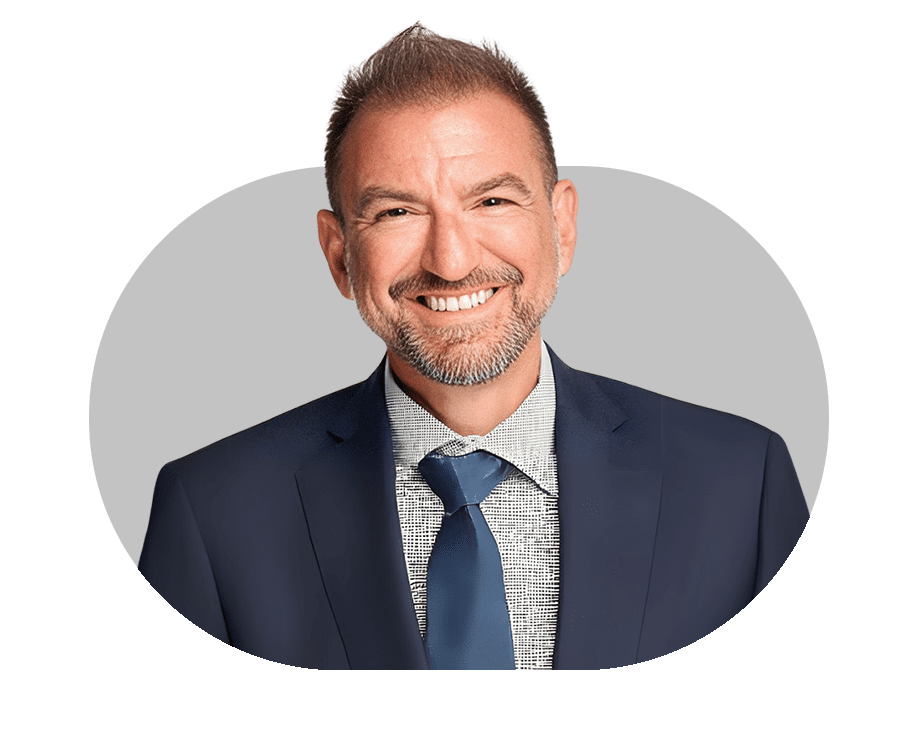
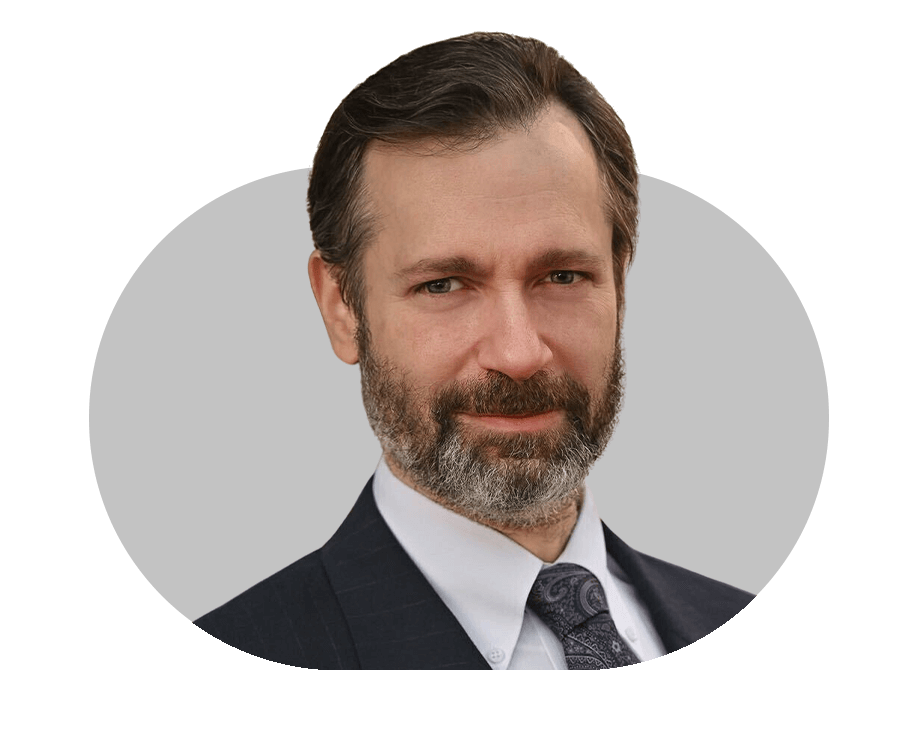
Marc Randazza and Jay Wolman of Randazza Legal Group appeared for all seven targets: Doe 1 (3MMA), Doe 2 (Sexy Senior Citizen), Doe 3 (Diggus Bickus), Doe 4 (Teriyakiburns), Doe 5 (Dread First), Doe 6 (The Mass Shooter Ron Soye), and Doe 7 (GettrGrifter).
Seven Memes
Nobody disputed that Fong-Jones owned the copyright to her headshot. The motions Randazza Legal Group filed “boil down to whether each of the challenged reproductions constitutes fair use, and for reasons I’m about to explain, I find that each does.” (Tr. 7:9-13) (that’s the judge speaking)
The Judge did not pretend to like the memes. She called them “cruel, offensive, racist, and transphobic” (Tr. 12:24-13:1). But Faila upheld the Constitution, saying “the fact remains that the fair use defense is rooted in the First Amendment, and that protects even the speech that we might find to be odious.” (Tr. 13:1-4) It is refreshing to hear that from a judge in this day and age. It used to be a universal truth, but over the past few years, more and more judges have shirked their responsibility to be true to the Constitution if the speech offends them. It is good to see that Judge Failla has resisted this trend.
3MMA and GettrGrifter cropped the headshot and laid the words “consent accidents do occasionally happen” across it. The court held that the text alone made fair use clear. It described the portrait and expression that “are calm if not beatific,” set against statements the posters read as downplaying allegations of sexual assault (Tr. 14:6-10). The image “was selected precisely because the commentary is so at odds with the vision or the visage in the image.” (Tr. 14:11-13) The joke only works because it is a corporate style headshot.
Sexy Senior Citizen said the headshot looked retouched, then proved his point by retouching it into a caricature, captioning the result “nightmare fuel” and wishing Fong-Jones a happy consent accident (Tr. 15:19-21). Fong-Jones argued that his commentary sat around the image instead of on it, so it should not count. The court disagreed. Criticism appearing “in text surrounding the headshot rather than superimposed onto it like a more traditional meme, does not alter the Court’s ability to consider that text.” (Tr. 16:4-9)
Diggus Bickus zoomed in on the face, added invective the judge declined to repeat, and tagged it “it was just consent accident” (Tr. 17:8-10). Fair use anyway. Teriyakiburns built a four-panel grid setting the headshot against a still from Terry Gilliam’s Brazil, captioned “DLSS 5 off” and “DLSS 5 on,” a gaming reference for mocking exaggerated before-and-after shots (Tr. 17:19-25). The court said that one was “rather offensive, but as the Court mentioned at the outset, this is what the First Amendment by way of the fair use defense protects.” (Tr. 18:9-12)
Dread First and The Mass Shooter Ron Soye made posts that were more or less screenshots, one of a LinkedIn podcast promo and one of Fong-Jones announcing the headshot as her new profile picture. Rather than stretch the transformativeness analysis to cover them, the court leaned on the factual, previously published nature of the work and the missing market. “The fact of the headshot’s existence was the point.” (Tr. 20:1)
Why Fair Use Matters
Fair use is not a loophole in copyright. It is the bargain we make between intellectual property law and free speech that keeps the Copyright Act from swallowing the First Amendment. Attorney Randazza has published extensively on this issue. In a 2016 Vanderbilt law review article on Lenz v. Universal, he called fair use a freedom of expression right that grew up alongside copyright, and described it as the place “where the First Amendment and intellectual property form an inelegant dovetail.” Take it away and copyright starts working as “a tool of censorship.”
Two of the points here made it into this case.
The first is that if you have to win a lawsuit in order to exercise a right, that isn’t much of a “right” at all. Randazza’s article talks about that problem, borrowing Lawrence Lessig’s line that fair use amounts to “the right to hire a lawyer,” and Mark Lemley’s point that a vague multi-factor test makes it hard to know in advance whether a use will qualify. Seven anonymous posters do not normally have counsel on retainer. These seven managed to land (and afford) RLG, which is the only reason there is a ruling to write about here.
The second problem is timing. The DMCA’s takedown scheme, Randazza argued in his article, guarantees the censorship of fair use before anyone decides whether the use was fair. That is illustrated in this case. Fong-Jones sent notices, memes came down, and she went to the courthouse seeking names. No judge laid eyes on a single meme until months later. Once a judge did, every one of them turned out to be protected speech. Had those subpoenas gone through quietly, the way most 512(h) subpoenas do, seven people would have been unmasked over protected speech and likely subject to harassment.
A Recurring Theme
Randazza Legal Group regularly defends free speech cases where “creative” plaintiffs try and weaponize intellectual property law as a tool of censorship. In MCM v. Perry, the court tossed a copyright claim over one still frame that Lyndon Perry used to criticize a crypto lender, and did it on a motion to dismiss. Copyright exists to protect creative works, “not to stop you from engaging in commentary or criticism.” In Rapid Relief Team v. Bawtinheimer, a wealthy church’s charity deployed DMCA notices at videos criticizing the church because its cartoon bird logo was visible in them, then sued the abuse survivor who made the videos. That case is ongoing.
This is a disturbingly common strategy for well-funded censorship-minded plaintiffs. They find an intellectual property angle and go at the free speech that way. It moves faster than defamation cases and never requires proving that anything said about them was false. What Fong-Jones added to this common theme was the unmasking. When the person on the other end has a history of leaning on employers and internet platform providers, being named is the punishment. The copyright claim is just the delivery system for the censorship virus.
Randazza Legal Group is committed to defending freedom of expression, and fair use is a cornerstone of that defense.